No KYC ATM: Understanding the Benefits and Risks of Anonymous Bitcoin Transactions

Crypto Investment Advisor
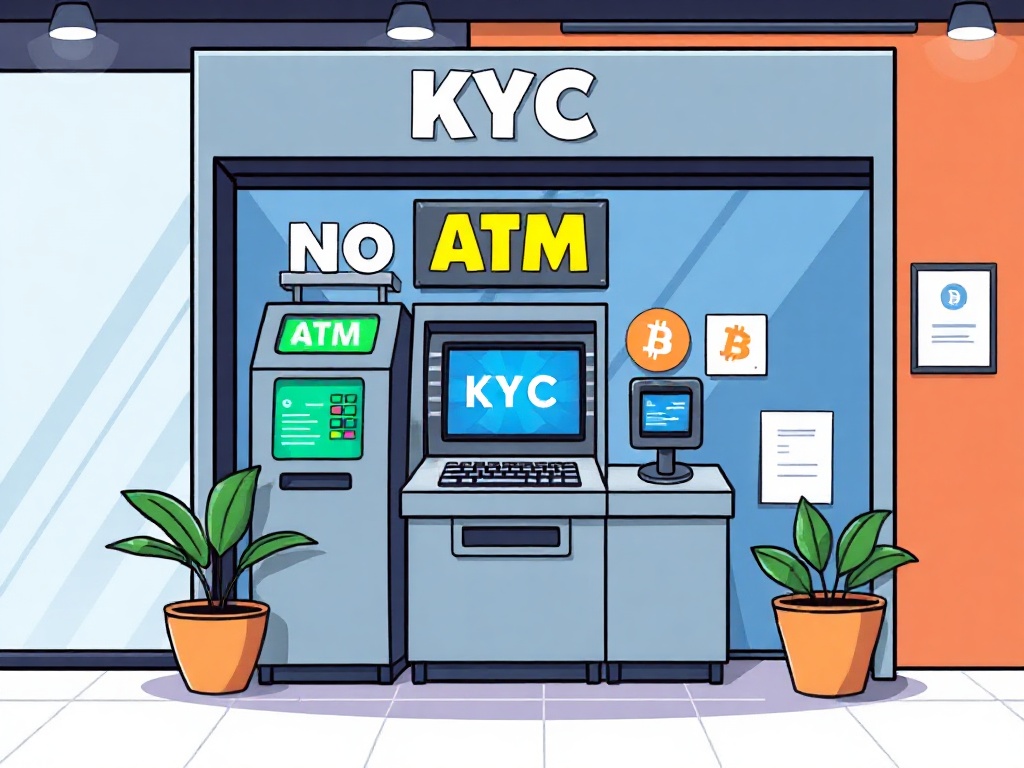
No KYC ATM: Understanding the Benefits and Risks of Anonymous Bitcoin Transactions
In the rapidly evolving world of cryptocurrency, the demand for privacy and anonymity has led to the emergence of innovative solutions like no KYC ATM. These machines allow users to buy or sell Bitcoin without undergoing the traditional Know Your Customer (KYC) verification process, which typically requires personal identification. While this offers convenience and privacy, it also raises important questions about security, legality, and the broader implications for the crypto ecosystem. This article explores the concept of no KYC ATM, how they function, their advantages, potential risks, and their role in the growing "btcmixer_en" niche.
Understanding No KYC ATMs
No KYC ATMs are specialized cryptocurrency kiosks that enable users to transact Bitcoin without providing personal information. Unlike traditional ATMs, which require users to submit identification documents, these machines operate on a "trustless" model, relying on blockchain technology to facilitate transactions. This approach appeals to individuals who prioritize privacy, such as those in regions with strict financial regulations or those who wish to avoid surveillance.
The Process of Using a No KYC ATM
Using a no KYC ATM typically involves a straightforward process. Users approach the machine, select the cryptocurrency they wish to buy or sell, and input the amount. The machine then generates a unique wallet address for the transaction. Once the user sends the required funds to this address, the machine dispenses the corresponding Bitcoin. This process eliminates the need for identity verification, making it a popular choice for those seeking anonymity.
Technology Behind No KYC ATMs
The technology powering no KYC ATM systems is rooted in blockchain and decentralized finance (DeFi) principles. These machines often use open-source software and hardware to ensure transparency and security. Some models integrate with peer-to-peer (P2P) networks, allowing users to trade directly with other individuals without intermediaries. This decentralized approach reduces the risk of data breaches and enhances user control over their assets.
User Experience and Accessibility
One of the key advantages of no KYC ATM is their user-friendly design. Many machines feature intuitive interfaces, making them accessible to both tech-savvy users and newcomers. Additionally, their widespread availability in urban areas and remote locations ensures that users can access Bitcoin without relying on traditional banking infrastructure. This accessibility is particularly valuable in regions where financial services are limited or restricted.
Benefits of Using No KYC ATMs
No KYC ATMs offer several compelling benefits, particularly for users who value privacy and efficiency. By eliminating the need for identity verification, these machines provide a level of anonymity that traditional financial systems cannot match. This section explores the key advantages of using no KYC ATM in the context of the "btcmixer_en" niche.
Privacy and Anonymity
For individuals who prioritize financial privacy, no KYC ATM are a game-changer. Traditional banking systems often require users to disclose personal information, which can be used for surveillance or identity theft. No KYC ATMs, on the other hand, allow users to transact without revealing their identity, making them an attractive option for those concerned about data privacy.
Speed and Convenience
Another significant benefit of no KYC ATM is their speed. Unlike traditional ATMs, which may require lengthy verification processes, no KYC machines enable instant transactions. This is particularly useful for users who need to access Bitcoin quickly, such as traders or travelers. The streamlined process also reduces the risk of errors or delays associated with manual verification.
Accessibility for Unbanked Populations
In many parts of the world, access to traditional banking services is limited. No KYC ATMs bridge this gap by providing a simple and affordable way to participate in the cryptocurrency economy. This is especially important for unbanked or underbanked populations, who can use these machines to store value, send money, or access financial services without relying on a bank account.
Risks and Considerations
While no KYC ATM offer numerous benefits, they also come with inherent risks. The lack of identity verification can make these machines vulnerable to misuse, and their operation may raise legal and ethical concerns. This section examines the potential drawbacks of using no KYC ATM and the considerations users should keep in mind.
Security Concerns
One of the primary risks associated with no KYC ATM is the potential for fraud or theft. Since these machines do not require identity verification, they can be exploited by malicious actors. For example, a user might use a stolen wallet address to launder money or engage in illegal activities. Additionally, the lack of oversight can make it difficult to recover funds in case of a dispute or technical issue.
Regulatory Challenges
The regulatory landscape for no KYC ATM is still evolving. Many countries have strict anti-money laundering (AML) and counter-terrorism financing (CTF) laws that require financial institutions to verify user identities. As a result, the operation of no KYC ATMs may be restricted or prohibited in certain jurisdictions. Users should be aware of the legal implications of using these machines in their region.
Potential for Illegal Activities
Another concern is the potential for no KYC ATM to be used for illicit purposes. Without proper oversight, these machines could facilitate money laundering, tax evasion, or other criminal activities. While the technology itself is not inherently illegal, its misuse can have serious consequences for both users and the broader crypto community.
Comparing No KYC ATMs with Traditional ATMs
To better understand the role of no KYC ATM in the "btcmixer_en" niche, it is essential to compare them with traditional ATMs. While both serve as gateways to the cryptocurrency market, they differ significantly in terms of security, privacy, and regulatory compliance.
Key Differences
Traditional ATMs typically require users to provide personal information, such as a government-issued ID, to complete transactions. This process ensures compliance with financial regulations but compromises user privacy. In contrast, no KYC ATM eliminate the need for identity verification, offering a more anonymous experience. However, this trade-off comes with increased risks, as discussed in the previous section.
When to Choose Each
The choice between a no KYC ATM and a traditional ATM depends on the user's priorities. Those who value privacy and anonymity may prefer no KYC machines, while others who prioritize security and regulatory compliance may opt for traditional ATMs. It is also worth noting that some no KYC ATMs may offer hybrid models, allowing users to choose between verified and anonymous transactions based on their needs.
Conclusion
No KYC ATMs represent a significant development in the cryptocurrency space, offering users a way to transact Bitcoin without compromising their privacy. While these machines provide numerous benefits, including speed, accessibility, and anonymity, they also come with risks that users must carefully consider. As the "btcmixer_en" niche continues to grow, it is essential for individuals to understand the implications of using no KYC ATM and to make informed decisions that align with their personal and financial goals. By balancing the advantages and drawbacks, users can navigate the evolving landscape of cryptocurrency with confidence and caution.